Schooled
A history of failure in education funding
By Jacob Robinson

“What school did you go to?”
The cliché goes that Melburnians offer this as their first question to a new acquaintance. Meanwhile, in Sydney it’s “Where did you grow up?”.
When establishing a new social connection, finding a common link or background is the easiest path.
And underlying these questions is the impact of two of the greatest causes of social segregation in this country – education and housing.
While Australia – and, in particular, Sydney – has some of the world’s most expensive housing, we also have one of the world’s most socioeconomically segregated schooling systems, and the gulf is only getting worse.
Australia is unique in the developed world for having a dual-track system for public funding of schools: publicly funded government schools; and publicly funded, mainly religiously aligned, independent schools.
So how did we get here?

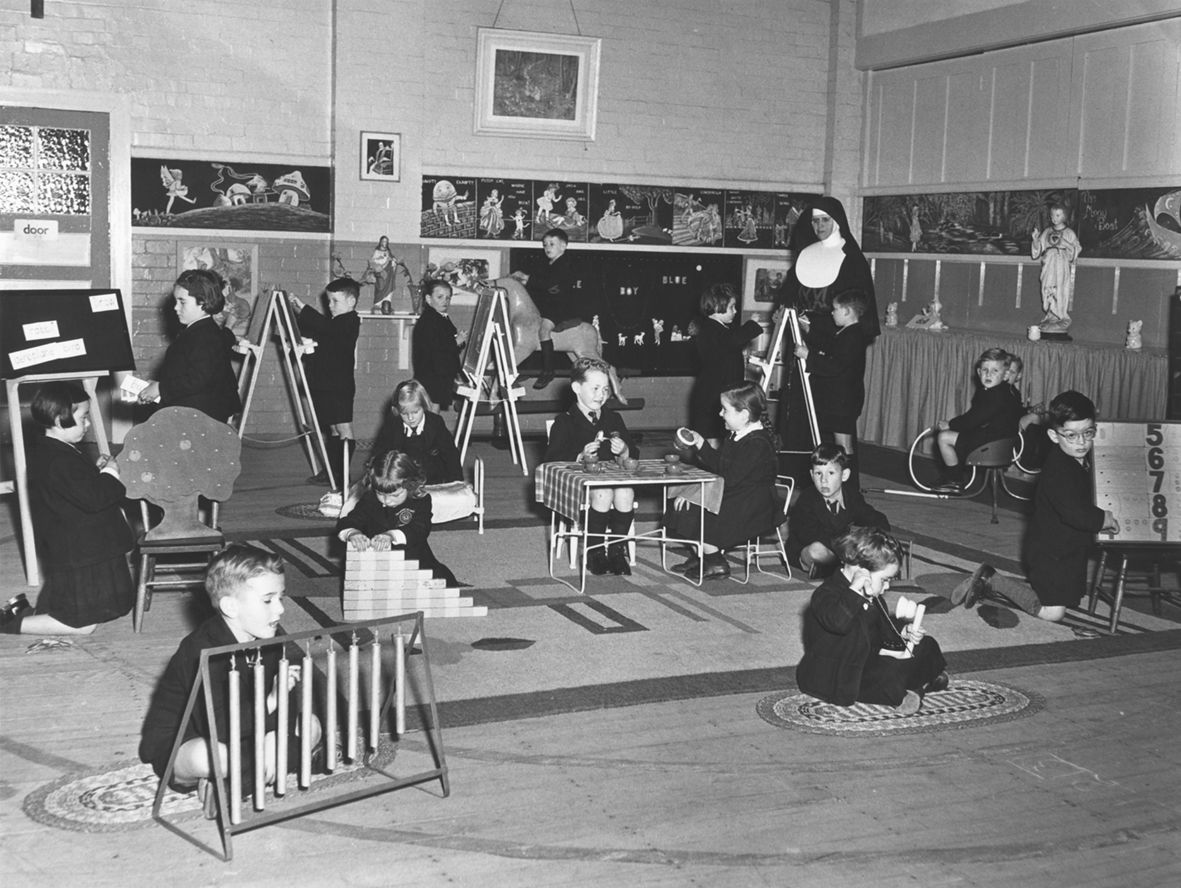
ST JOSEPH’S SCHOOL IN MOUNT ST, NORTH SYDNEY, NSW. USED WITH PERMISSION OF THE TRUSTEES OF THE SISTERS OF SAINT JOSEPH. © 2024
Australia’s school system is inextricably connected to the sectarian divides that emerged during the colonialisation of the country during the 19th century. In particular, it reflects the internecine conflict between Protestants and Catholics.
The fledgling colonies saw the increasing industrialisation of their homeland as a clarion call for the creation of a higher skilled workforce.
The first forms of public education were introduced in piecemeal fashion.
Initially, only Anglican chaplains were permitted into the colonies, and the church made significant (unsuccessful) efforts to have public education entrusted to it.
Catholics, largely of Irish extraction, saw great injustice in their historical treatment by the English, and any move to institute a system of universal education in the colonies to be a plot against them.
They had reason. Anti-Irish sentiment in the colonies ran high. The man known as the “Father of Federation”, Henry Parkes, campaigned on an anti-Irish immigration agenda, stating that the “Irish Roman Catholics” were not the “best people”.

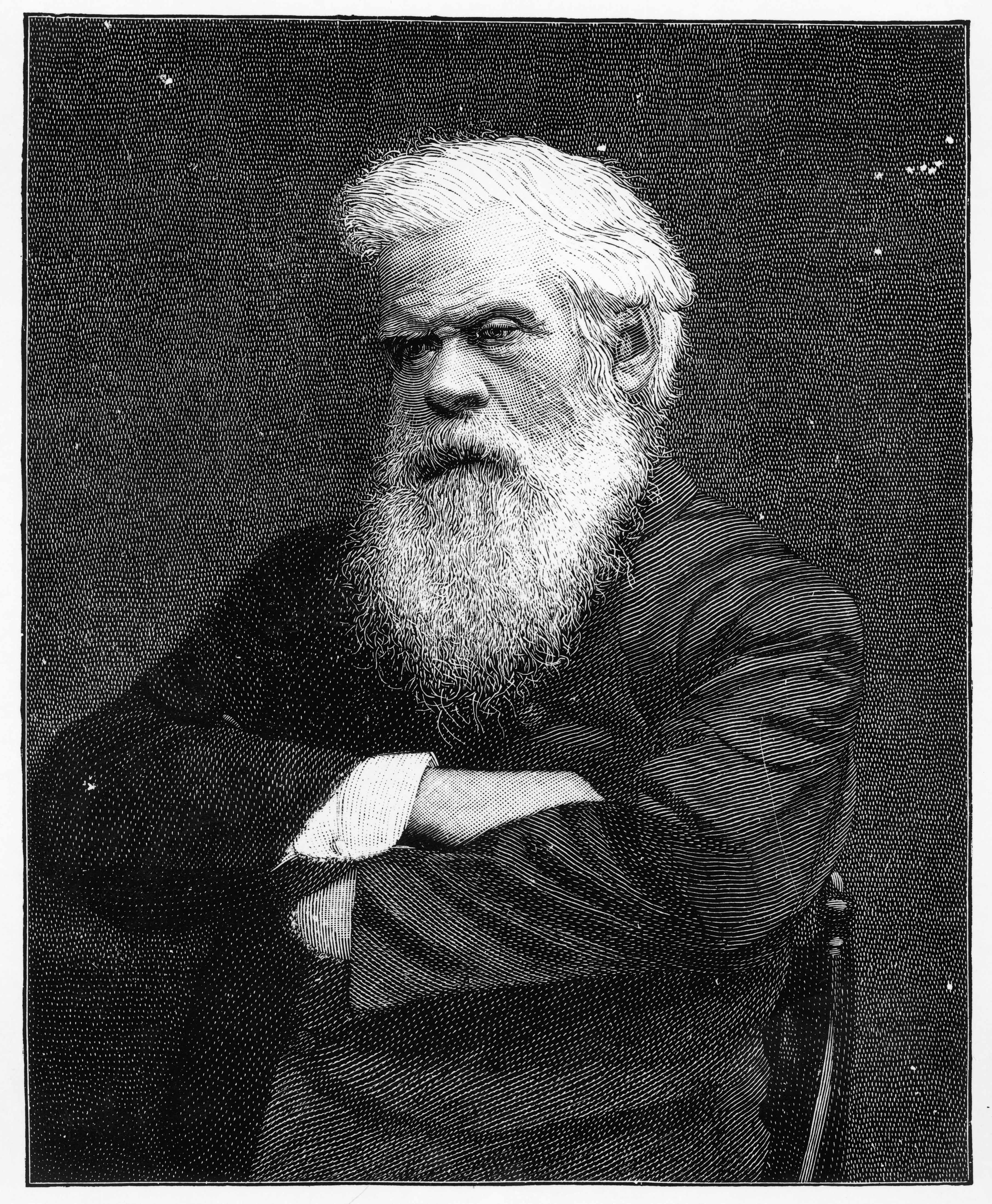
PREMIER OF THE COLONY OF NEW SOUTH WALES, HENRY PARKES. AAP/MARY EVANS PICTURE LIBRARY
From 1872 through to 1893, each of the six colonies passed laws outlining broadly similar systems of public education. Victoria was the first; its 1872 Education Act became the model many subsequent ones were founded on, based on the principle that education should be “free, secular and compulsory”.
In New South Wales, former colonial secretary Parkes, who had avidly fought against church schools, had a change of heart. He struck a deal with the Catholic Church that allowed him to seize the premiership if he advocated against the increasing numbers of secular schools. Then Parkes once again backflipped, and in 1880 passed an act similar to Victoria’s, stopping funding for denominational schools.
At the advent of Federation in 1901, this was the system our country was bequeathed: public schools were to provide a secular education, and were to be funded and run by the individual states. Meanwhile, religiously aligned schools were to receive no government funding.

TOM GREENWELL. @TBGREENWELL
Tom Greenwell, who teaches history and politics in the ACT public school system, and is co-author with Chris Bonnor of Waiting for Gonski: How Australia Failed its Schools, argues that the policies in place after Federation produced the “first unlevel playing field”.
Other countries, such as Canada, acknowledged that religious minorities would prefer distinctive education for their children.
“Canada came to an arrangement where those schools can be fully, publicly funded but retained a degree of autonomy and promote a distinctive, educational and religious ethos,” says Greenwell.
“That means in a place like Ontario, there are Catholic schools that are just as Catholic as Australian Catholic schools in curriculum, but are much more socioeconomically inclusive than Australian Catholic schools.”
“Instead,” says Greenwell, “we have a situation where Catholic schools were underfunded and serving some of the most disadvantaged students in our community.”

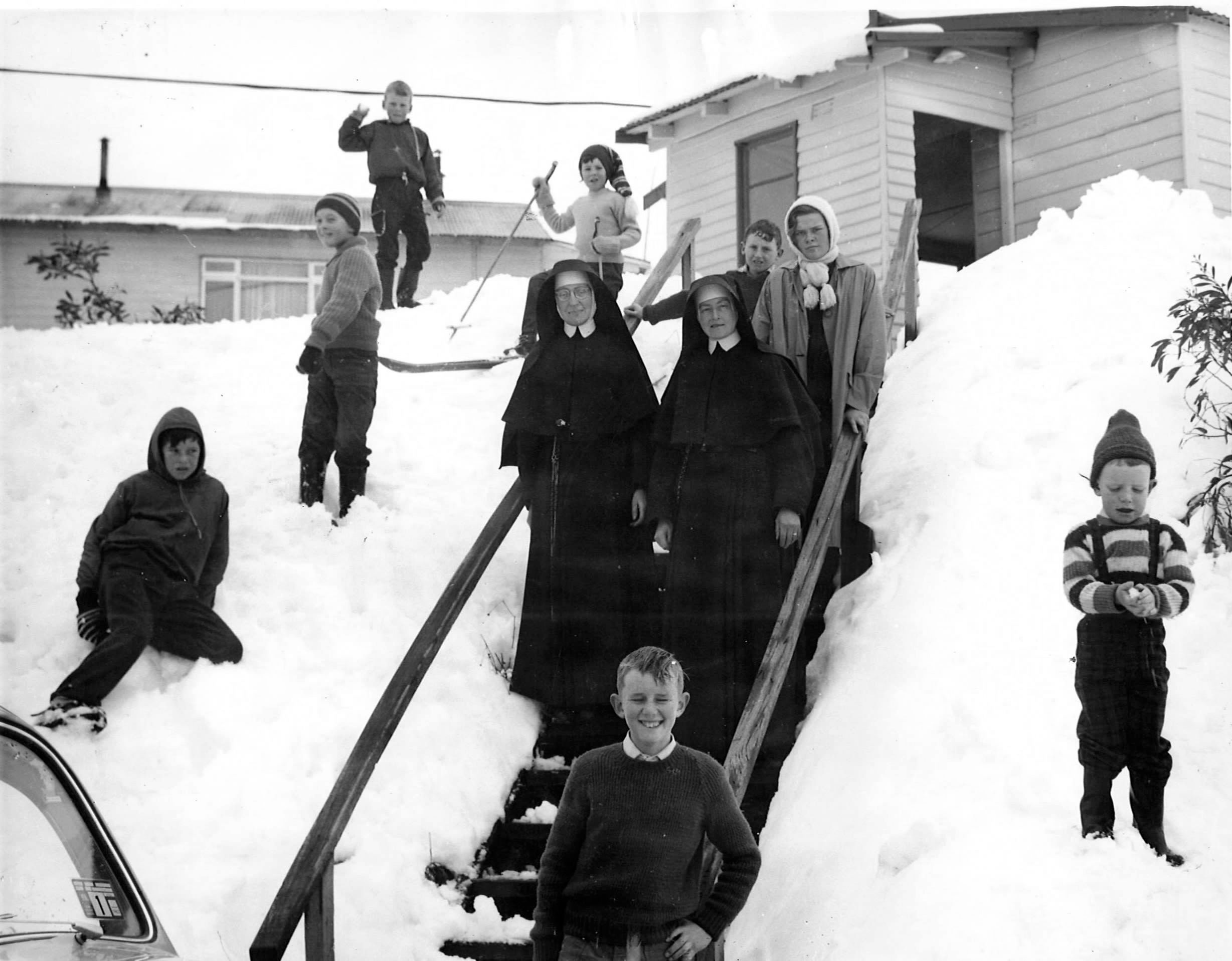
JINDABYNE, NSW. USED WITH PERMISSION OF THE TRUSTEES OF THE SISTERS OF SAINT JOSEPH. © 2024
“Catholic schools were woefully under-resourced, and they only really survived because of the free labour of brothers and nuns.”
Until the 1960s, it seemed like this broad consensus was unshakeable.
But the bitterness among the Catholic community remained. Catholics made significant sacrifices to ensure that their schooling system carried on, held together by donations from the local communities. Meanwhile, the age-old Protestant-Catholic sectarian divide appeared to be insurmountable.

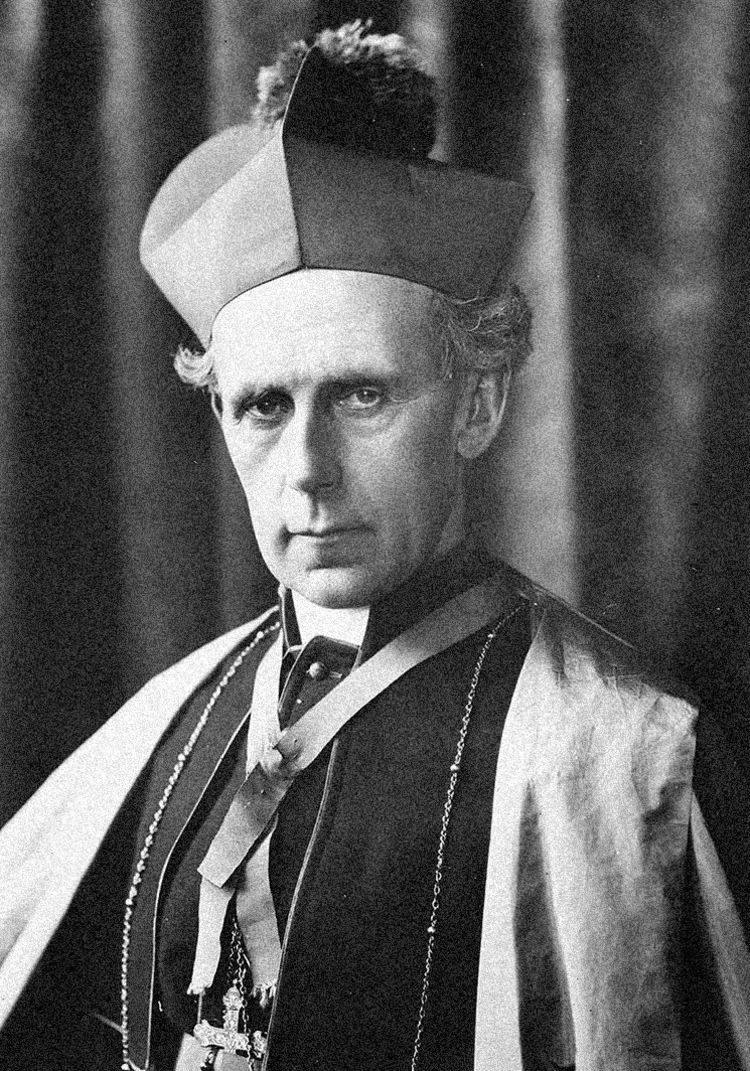
ARCHBISHOP DANIEL MANNIX, 1919. AUSTRALIAN WAR MEMORIAL P01383.001
During World War I, anti-conscription efforts in Australia were led by Irish Catholics, including the Archbishop of Melbourne, Daniel Mannix. The Irish War of Independence further inflamed sectarian tensions.
But as Catholic schools struggled financially in the 1950s, their advocates never gave up on restoring government funding.
And their political power grew. Within the union movement and the Australian Labor Party, there was a growing Catholic influence around the staunchly anti-communist B.A. Santamaria, known later as the “most significant figure in Australian politics never to have held political office”.
This fracture within Labor eventually became a schism, resulting in the ALP splitting in 1954-55, with Santamaria leading what became the Democratic Labor Party.
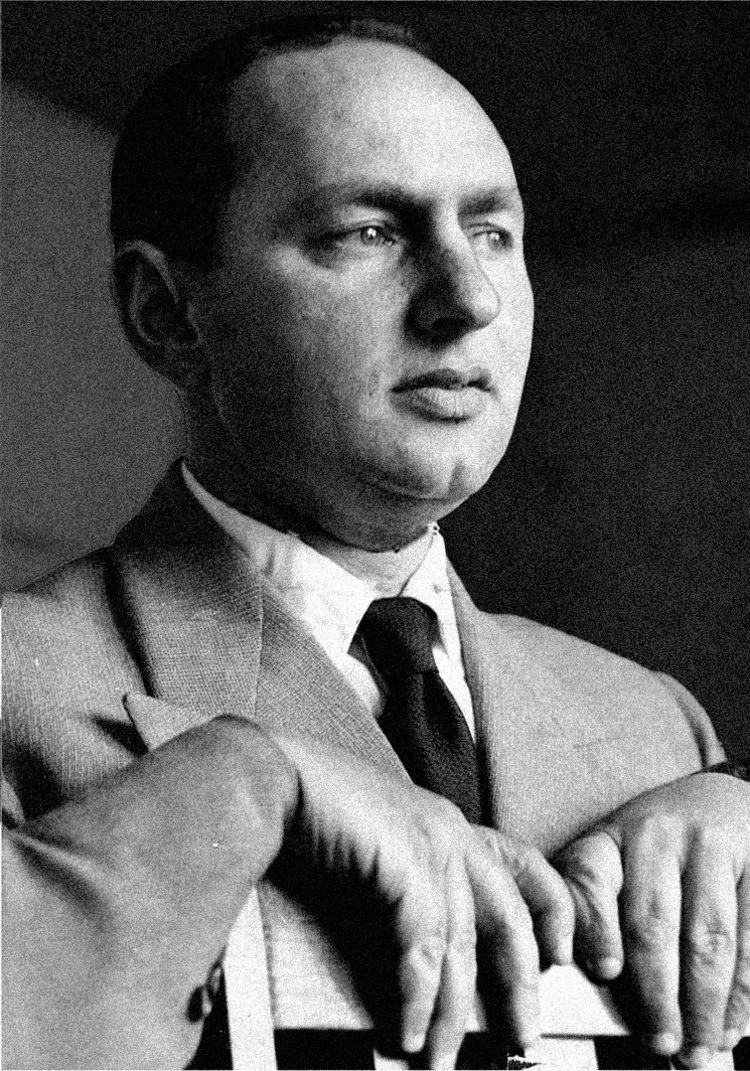
B. A. SANTAMARIA, PHOTOGRAPH TAKEN C. 1950s
Without the support of the Catholic factions within the broader labour movement, the ALP was frozen out of power. With its adversaries scattered, the Robert Menzies–led Liberal Party took an unprecedented hold on power.
Until the 1960s, it seemed like this broad consensus was unshakeable.
But the bitterness among the Catholic community remained. Catholics made significant sacrifices to ensure that their schooling system carried on, held together by donations from the local communities. Meanwhile, the age-old Protestant-Catholic sectarian divide appeared to be insurmountable.
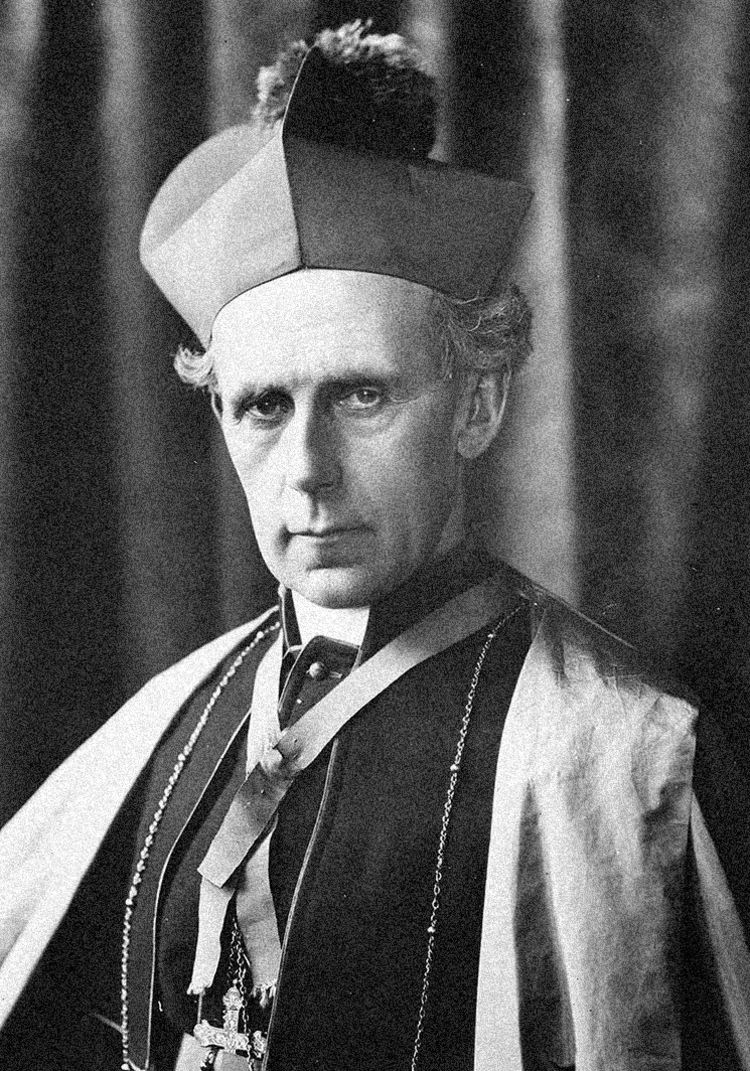
During World War I, anti-conscription efforts in Australia were led by Irish Catholics, including the Archbishop of Melbourne, Daniel Mannix. The Irish War of Independence further inflamed sectarian tensions.
But as Catholic schools struggled financially in the 1950s, their advocates never gave up on restoring government funding.
And their political power grew. Within the union movement and the Australian Labor Party, there was a growing Catholic influence around the staunchly anti-communist B.A. Santamaria, known later as the “most significant figure in Australian politics never to have held political office”.
This fracture within Labor eventually became a schism, with Santamaria proselytising for the anti-communist Catholic values that came to define the Democratic Labor Party.
Without the support of the Catholic factions within the broader labour movement, the ALP was frozen out of power. With its adversaries scattered, the Robert Menzies–led Liberal Party took an unprecedented hold on power.

ARCHBISHOP DANIEL MANNIX, 1919. AUSTRALIAN WAR MEMORIAL P01383.001
ARCHBISHOP DANIEL MANNIX, 1919. AUSTRALIAN WAR MEMORIAL P01383.001
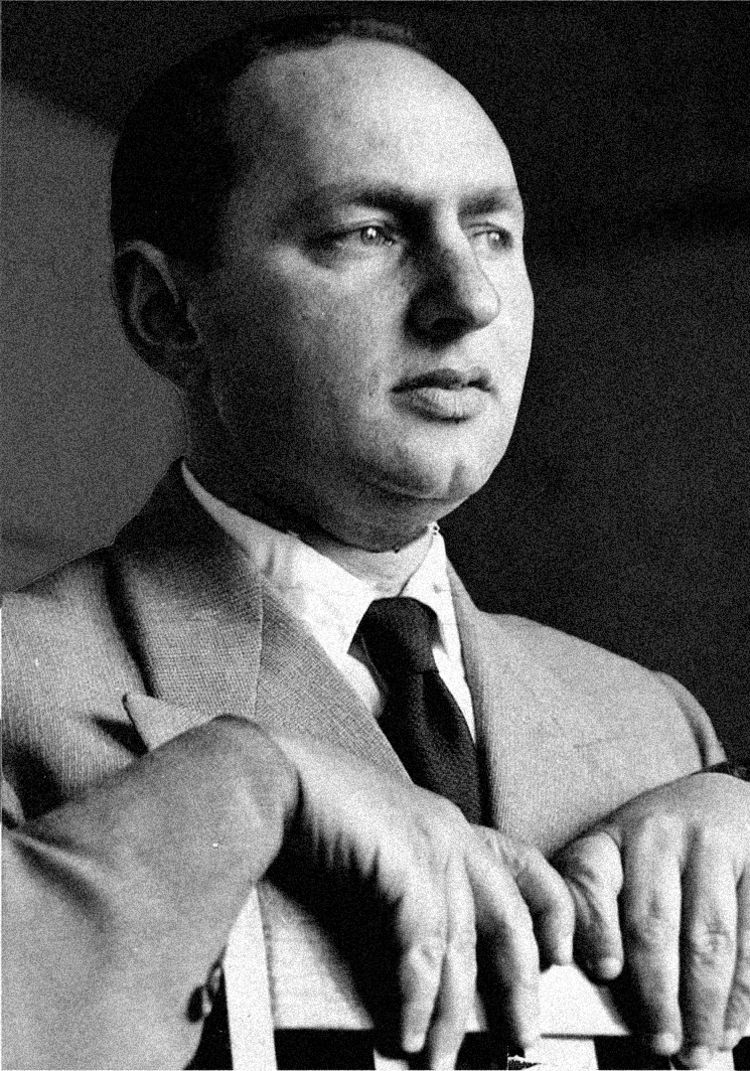
B.A. SANTAMARIA, PHOTOGRAPH TAKEN C. 1950S
B.A. SANTAMARIA, PHOTOGRAPH TAKEN C. 1950S

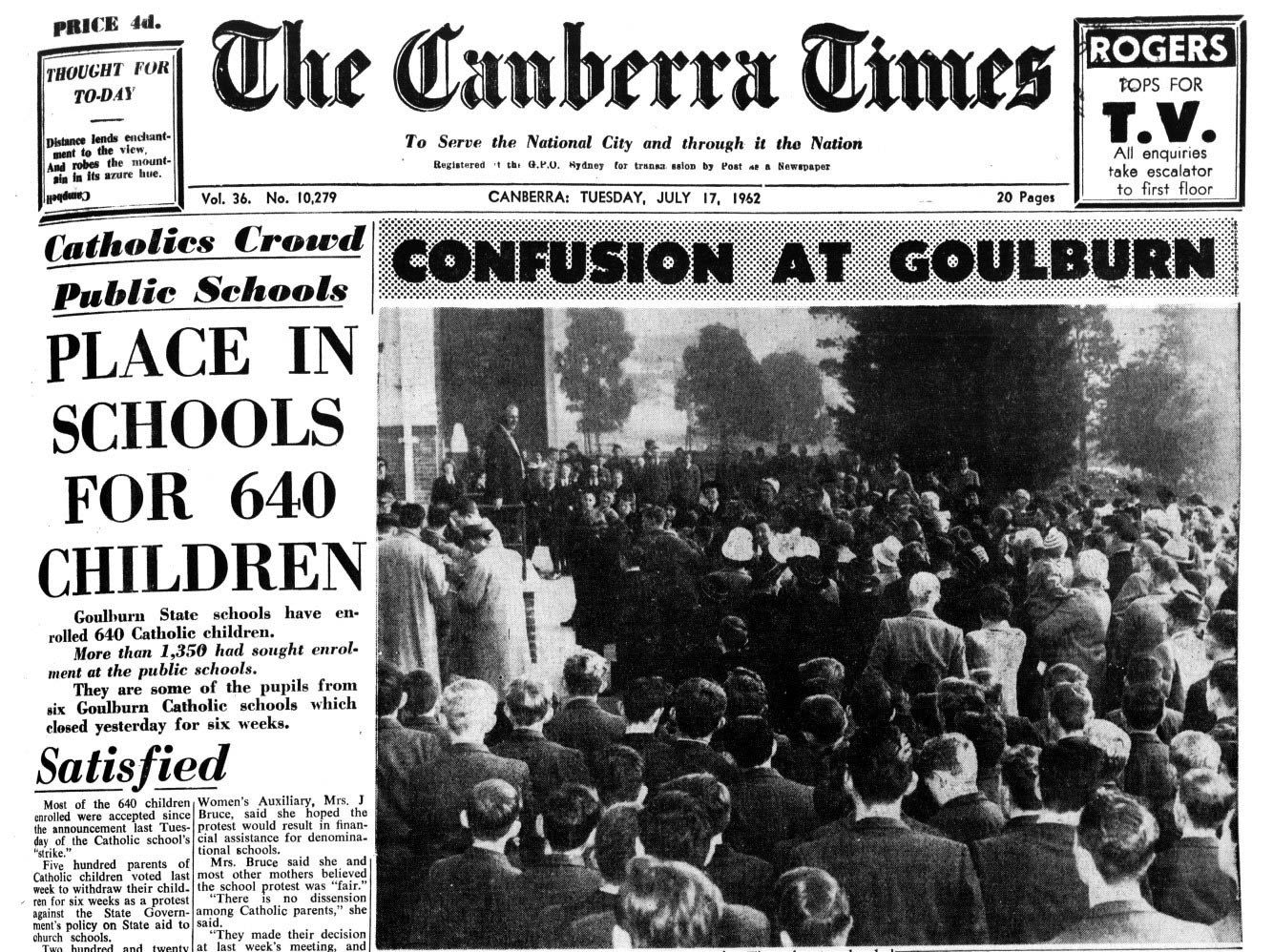
FRONT PAGE OF THE CANBERRA TIMES, JULY 17, 1962. FROM NATIONAL LIBRARY OF AUSTRALIA
The tide began to turn against the state providing no funding for religious schools in an inauspicious location – a toilet block at St Brigid’s Primary School in Goulburn, New South Wales. After education department inspectors demanded the construction of extra facilities to cater for increased student numbers, the Catholic school administrators rebelled, saying their miserly community-sourced funds were unable to cover the costs.
The archbishop of the Canberra-Goulburn archdiocese, Eris O’Brien, had been lobbying the government for additional funding and seized the moment. Auxiliary bishop John Cullinane closed all Catholic schools in the area, directing parents to instead send their children to the local public schools. Over the next week, 2000 Catholic children presented at public schools in the surrounding areas, causing immediate uproar. Only 640 could be enrolled. The protest received considerable – and divisive – news coverage across the country.
The strike lasted only a week, but the reverberations continue to this day.
Almost immediately, the conversation shifted. Funding for private schools was no longer just a matter of fairness and equality, it was seen as an administrative necessity. Subsidising private schools was needed to alleviate the burden on the public system. The following year, Menzies was re-elected on a platform including the reintroduction of public funding to non-government schools. In the midst of the Cold War–era space race, it was once again deemed a national priority to invest in a pipeline of skilled workers for a future economy.
Menzies tabled a bill providing Commonwealth funds for both public and non-government schools for science facilities. Although the total amount was a relatively modest £5 million, it proved a watershed moment, breaking the near century consensus against directly funding private schools.
But more strategically, Menzies saw state aid to Catholic schools as a big political advantage over the Labor Party, for which state aid continued to be a pox on political unity.
At the time, Labor Party deputy leader Gough Whitlam was one of the few to advocate for funding disadvantaged schools of any origin.
But funding for non-government schools was not just a helpful tool to divide the Labor Party, it was also popular among the electorate.
While funding non-government schools directly was prohibited, indirect aid provided to parents and students at non-government schools, in the form of tax credits, scholarships and grants, proliferated and became pork-barrelling schemes.
When Malcolm Fraser, as minister for education in the Gorton government, announced in 1969 a new nationwide funding arrangement for non-government students, it seemed inevitable.
Once the Rubicon of funding students in the non-government sector was crossed, the battle became how it would be done.
Is it fairer to have a flat, per capita base of funding for every student, or have a more targeted needs-based approach to funding, specifically providing more to disadvantaged schools and areas?
For Fraser, it was up to the states to fund government schools, but for the Commonwealth to provide assistance to non-government schools.

“This meeting of the Catholic community of Goulburn expresses its bitter disappointment at the failure of the State Governments – present and past – to recognise the justice of the claims of Catholics to a fair share of the public purse for its education system and wishes to draw public attention to the almost insurmountable plight in which Catholics find themselves.”
– Motion passed by parents and parishioners in the archdiocese, Monday, July 9, 1962
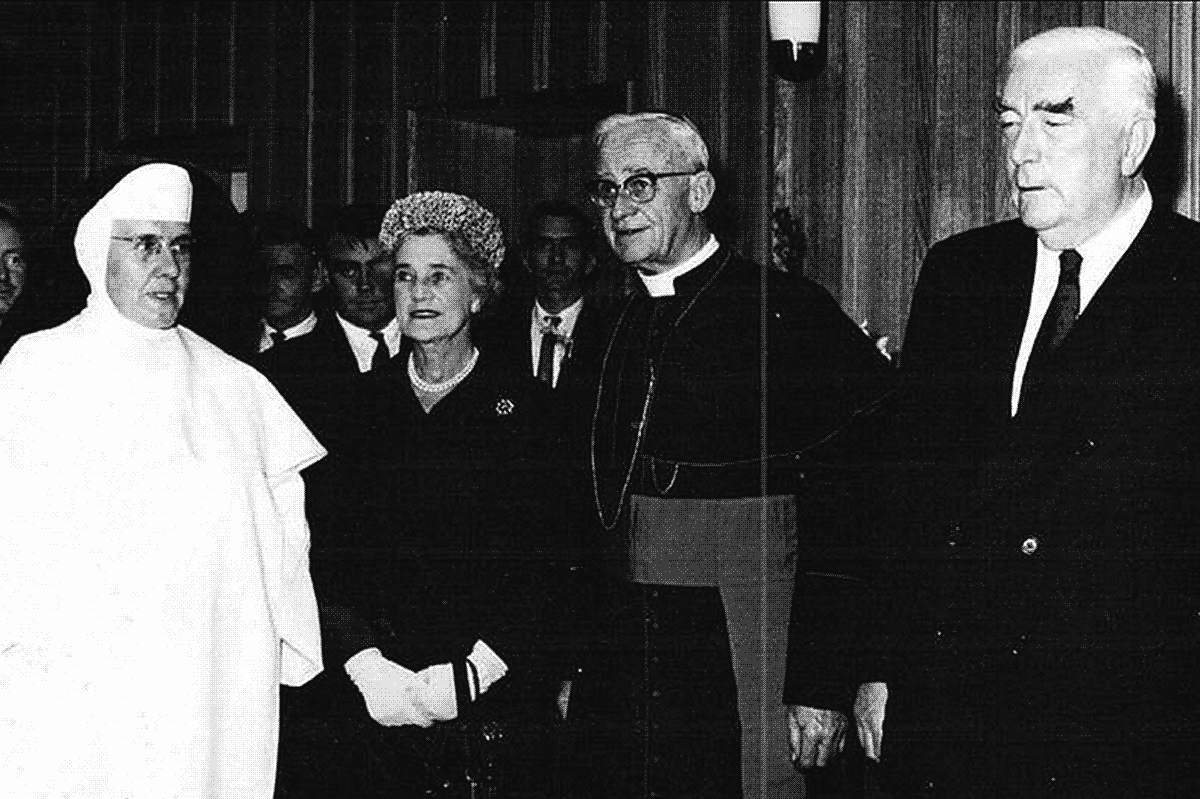
ROBERT MENZIES WITH ARCHBISHOP ERIS O’BRIEN AT THE OPENING OF THE SIGNADOU COLLEGE OF EDUCATION (NOW PART OF THE AUSTRALIAN CATHOLIC UNIVERSITY). IMAGE FROM SIGNADOU COLLEGE.

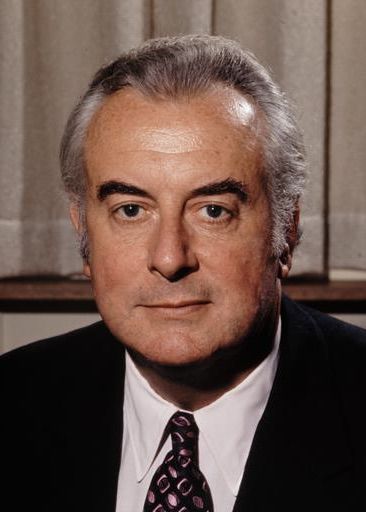
“No country with our resources should tolerate the present standard of our schools; no socialist party should tolerate the present inequality of opportunity for our school children.”
– Gough Whitlam
GOUGH WHITLAM, OFFICIAL PORTRAIT, 1972. WIKIMEDIA.
The tide began to turn against the state providing no funding for religious schools in an inauspicious location – a toilet block at St Brigid’s Primary School in Goulburn, New South Wales. After education department inspectors demanded the construction of extra facilities to cater for increased student numbers, the Catholic school administrators rebelled, saying their miserly community-sourced funds were unable to cover the costs.
“This meeting of the Catholic community of Goulburn expresses its bitter disappointment at the failure of the State Governments – present and past – to recognise the justice of the claims of Catholics to a fair share of the public purse for its education system and wishes to draw public attention to the almost insurmountable plight in which Catholics find themselves.”
– Motion passed by parents and parishioners in the archdiocese, Monday, July 9, 1962
ROBERT MENZIES WITH ARCHBISHOP ERIS O’BRIEN AT THE OPENING OF THE SIGNADOU COLLEGE OF EDUCATION (NOW PART OF THE AUSTRALIAN CATHOLIC UNIVERSITY). IMAGE FROM SIGNADOU COLLEGE.
The archbishop of the Canberra-Goulburn archdiocese, Eris O’Brien, had been lobbying the government for additional funding and seized the moment. Auxiliary bishop John Cullinane closed all Catholic schools in the area, directing parents to instead send their children to the local public schools. Over the next week, 2000 Catholic children presented at public schools in the surrounding areas, causing immediate uproar. Only 640 could be enrolled. The protest received considerable – and divisive – news coverage across the country.
The strike lasted only a week, but the reverberations continue to this day.
Almost immediately, the conversation shifted. Funding for private schools was no longer just a matter of fairness and equality, it was seen as an administrative necessity. Subsidising private schools was needed to alleviate the burden on the public system.The following year, Menzies was re-elected on a platform including the reintroduction of public funding to non-government schools. In the midst of the Cold War–era space race, it was once again deemed a national priority to invest in a pipeline of skilled workers for a future economy.
Menzies tabled a bill providing Commonwealth funds for both public and non-government schools for science facilities. Although the total amount was a relatively modest £5 million, it proved a watershed moment, breaking the near century consensus against directly funding private schools.
But more strategically, Menzies saw state aid to Catholic schools as a big political advantage over the Labor Party, for which state aid continued to be a pox on political unity.
At the time, Labor Party deputy leader Gough Whitlam was one of the few to advocate for funding disadvantaged schools of any origin.
“No country with our resources should tolerate the present standard of our schools; no socialist party should tolerate the present inequality of opportunity for our school children.”
– Gough Whitlam
GOUGH WHITLAM, OFFICIAL PORTRAIT, 1972. WIKIMEDIA.
But funding for non-government schools was not just a helpful tool to divide the Labor Party, it was also popular among the electorate.
While funding non-government schools directly was prohibited, indirect aid provided to parents and students at non-government schools, in the form of tax credits, scholarships and grants, proliferated and became pork-barrelling schemes.
When Malcolm Fraser, as minister for education in the Gorton government, announced in 1969 a new nationwide funding arrangement for non-government students, it seemed inevitable.
Once the Rubicon of funding students in the non-government sector was crossed, the battle became how it would be done.
Is it fairer to have a flat, per capita base of funding for every student, or have a more targeted needs-based approach to funding, specifically providing more to disadvantaged schools and areas?
For Fraser, it was up to the states to fund government schools, but for the Commonwealth to provide assistance to non-government schools.

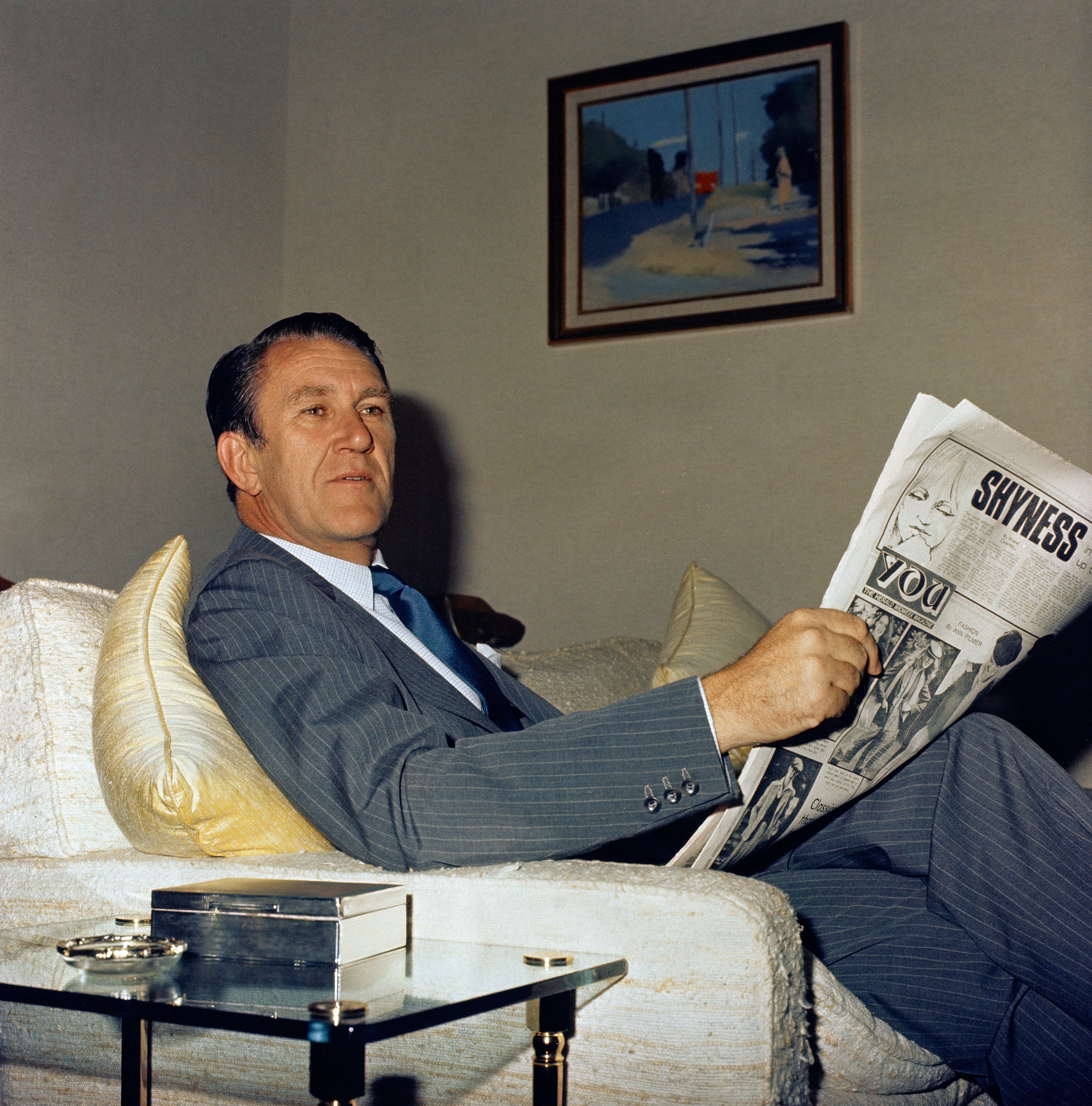
MALCOLM FRASER AT THE LODGE IN 1978. AAP/NATIONAL ARCHIVES OF AUSTRALIA
“We categorically reject the argument that because of a significant number of citizens choose to seek a form of education for their children which they preferred to the state system and are prepared to make financial sacrifices, those citizens cannot expect any help from the state even though they are easing its financial and physical burden.”
– Malcolm Fraser, education minister,
1969
In 2006, Fraser said in an interview that he was motivated by a desire to avoid the sectarian divisions that had engulfed the education debate for more than a century.
Funding would therefore not only be provided to the impoverished Catholic school system, on the verge of bankruptcy, but to every non-government school – including the most prestigious, richest and elitist private grammar schools.
While Fraser’s funding reforms only benefited private schools, Whitlam, as opposition leader, believed that funding should be provided to every student.

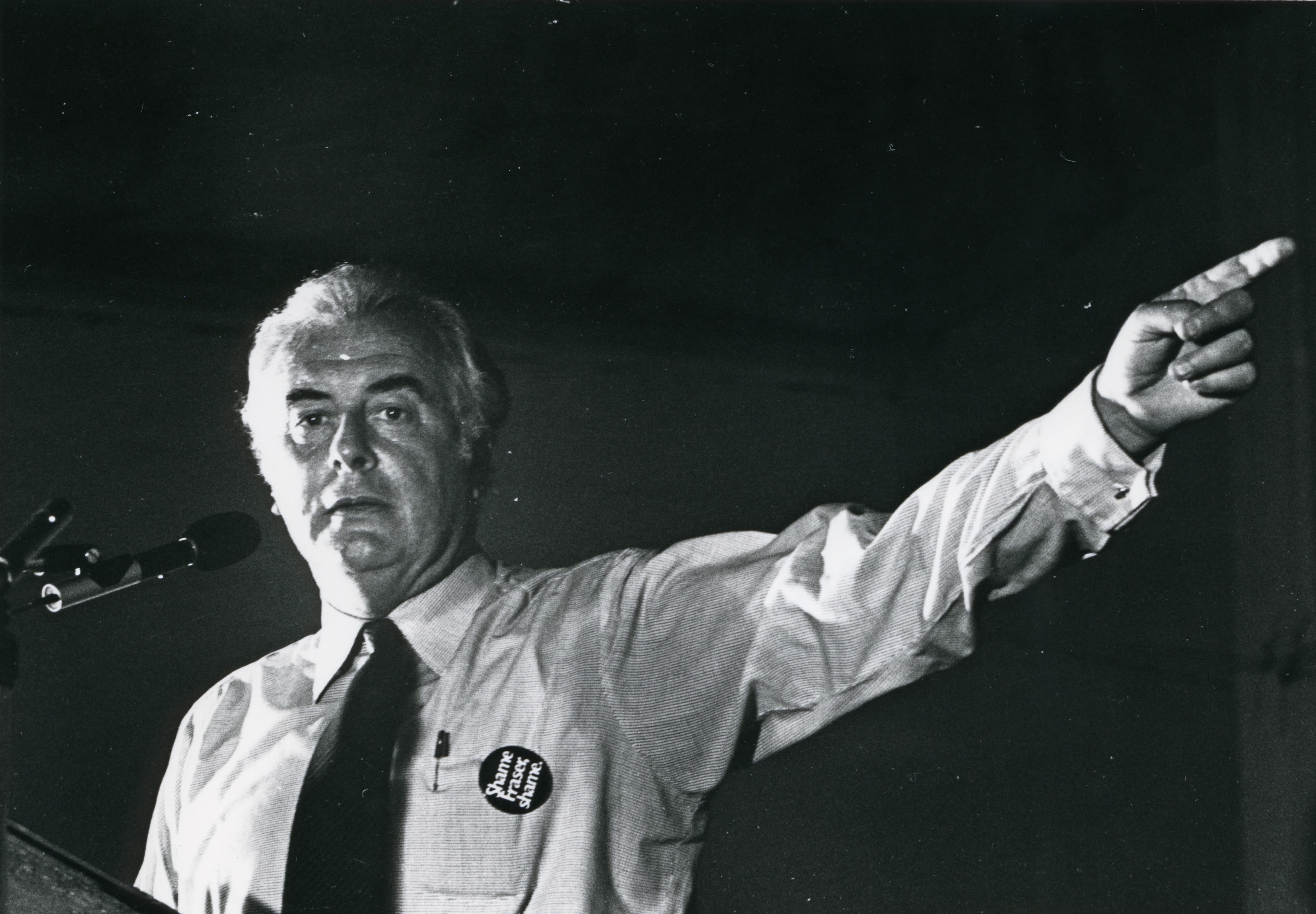
LIBRARY & ARCHIVES NT. (1975). GOUGH WHITLAM. NORTHERN TERRITORY GOVERNMENT PHOTOGRAPHER COLLECTION, PH0091/0070
“The Labor Party is determined that every child who embarks on secondary education in 1973 shall, irrespective of school or location, have as good an opportunity as any other child of completing his secondary education and continuing his education further.”
– Gough Whitlam, 1972
He campaigned in 1972 on this platform and, upon forming government, commissioned a report into a more equitable funding model for schools.
The 1973 Karmel Report proposed a needs-based funding system from the Commonwealth for every school.
Inherent in that proposal was an understanding that it would phase out funding for the wealthiest schools – predominantly Protestant grammar schools.
However, what perhaps no one foresaw was an alliance between Catholics and Protestants to resist this shift. While the history of school funding in this country was defined by the division between the churches, now they joined forces.
The churches may have made strange bedfellows, but it reflected an increasingly ethnically diverse society in the wake of post-World War II immigration.
The new policy was a choice to recognise the historic claim by Catholic schools for more public funding, says Tom Greenwell. And the Catholics saw the ongoing benefit of presenting a unified church front rather than fighting administrations alone.
“Santamaria and the Catholics decided that they’re going to have a much better guarantee of continued government funding if they stick with the Protestants and form an alliance,” Greenwell says.
“They’re also driven by secondary schooling explosion and post-World War II migration, the decline in teaching as a religious vocation.
“But from this point on, they join in opposing any attempt to cut off funding from non-government schools – even the ones who are very wealthy.”
An alliance between the religious sects proved formidable, and their joint arguments for the perseverance of their right to public funding with independent governance continues today.
The Karmel reforms passed into law in 1973 but, after Fraser took the Lodge following Whitlam’s dismissal in 1975, ongoing funding to the wealthiest schools was reaffirmed.
“With wealthy Protestant schools in the mix, you increasingly have schools that are funded partly by parents paying out of their pocket – and they are demanding corresponding resource advantages for their children,” says Greenwell.
In the intervening years, funding to private schools doubled. Meanwhile, public school funding declined.
The reforms of the 1970s had finally started to bring the Catholic sector up to parity.
Bonnor and Greenwell state that, in 1970, Catholic schools had 23 students for every teacher compared to 17 in public schools. It took until 2007 for that metric to reach parity.
But if Fraser lit the flame for an increase in funding for private schools, John Howard fanned it into a bonfire.
Upon winning the 1996 federal election, Howard introduced a new policy that removed the cap on non-government school fees, which had been a condition of government funding. For Howard, this represented an opportunity for Australians of all walks of life to have greater school choice.
Over the period of the Howard government, Commonwealth funding to non-government schools doubled. Meanwhile, between 1999 and 2002, enrolments at private schools increased by 20 per cent, compared to just 1 per cent at public schools.
But while Howard’s reforms were sold as incentivising private schools to reduce fees and entice more enrolments, the opposite happened. Fees went up – and they continue to increase above the consumer price index.
Despite the proliferation of private schooling, the reforms did not result in an improvement in academic performance or better student outcomes.
A 2018 analysis of the period found that the “type of school attended was not associated with academic achievement” and even years after leaving school “there was no statistically significant association between type of school attended and employment status, occupation or earnings”.

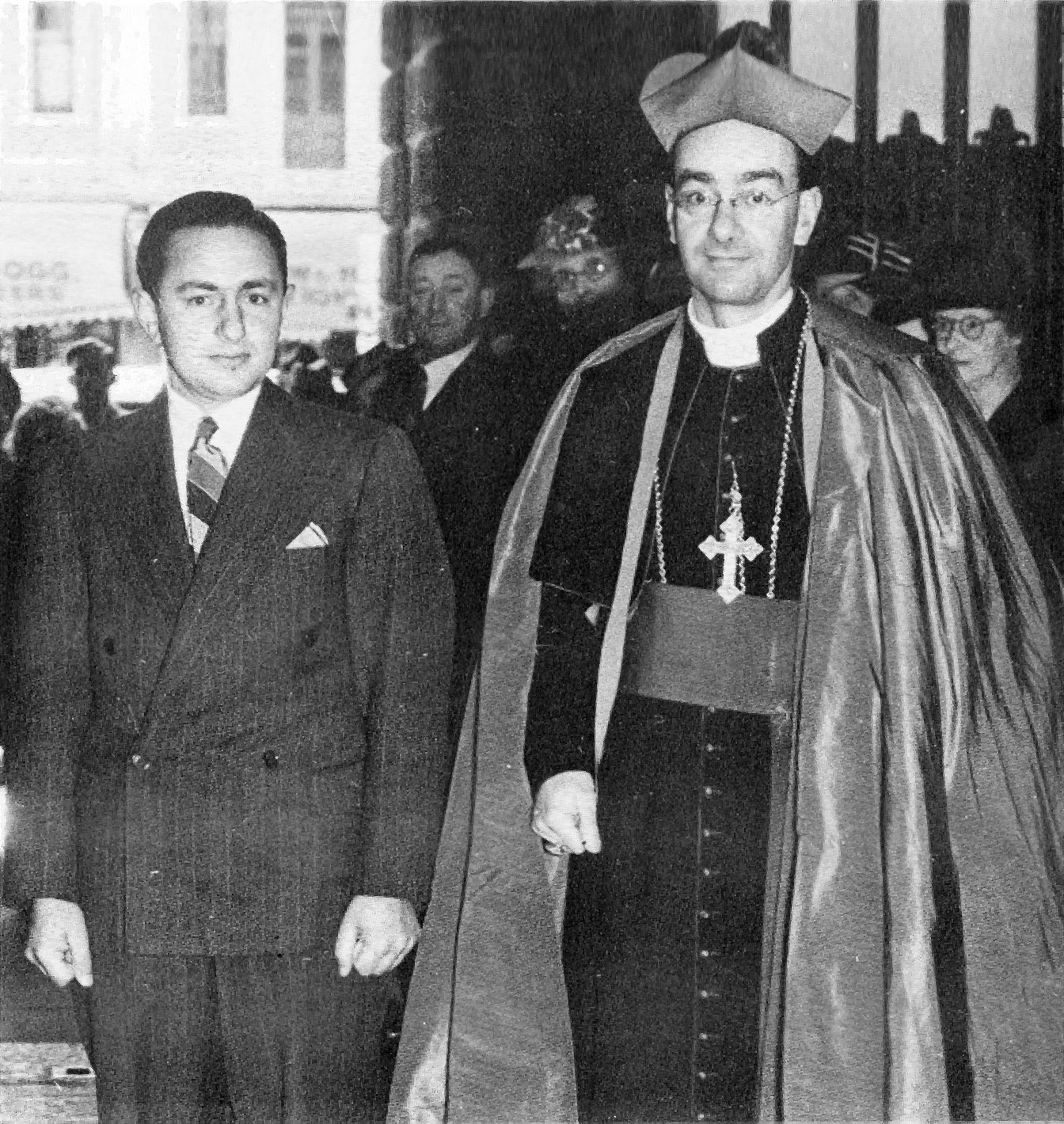
“If Catholic schools, and the bishops and religious orders … condone this outright political bribery and the clear discrimination against children in the eliminated Protestant schools, this will get a sectarian backlash which will be thoroughly deserved; and they will be responsible for the consequences that follow.”
– B. A. Santamaria
CATHOLIC ARCHBISHOP OF ADELAIDE MATTHEW BEOVICH WITH B. A. SANTAMARIA AT THE FIRST CATHOLIC ACTION YOUTH RALLY IN 1943. WIKIMEDIA COMMONS

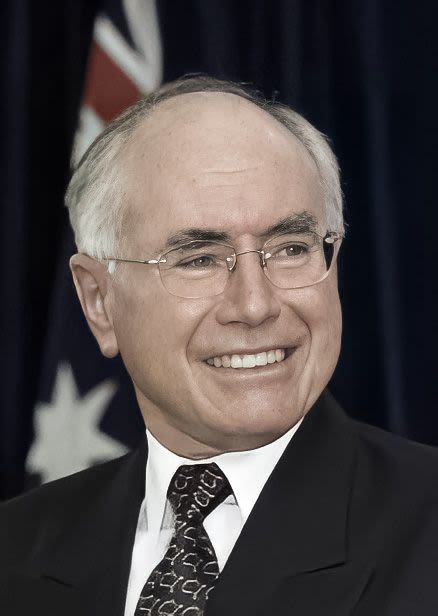
“People are looking increasingly to send their kids to independent schools for a combination of reasons. For some of them, it’s to do with the values-driven thing; they feel that government schools have become too politically correct and too values-neutral … I think it’s just a fundamental exercise in choice. You can’t stop that, and you shouldn’t try to”
– John Howard, 2004
PORTRAIT OF PM JOHN HOWARD CIRCA 2001. WIKIMEDIA
He campaigned in 1972 on this platform and, upon forming government, commissioned a report into a more equitable funding model for schools.
The 1973 Karmel Report proposed a needs-based funding system from the Commonwealth for every school.
Inherent in that proposal was an understanding that it would phase out funding for the wealthiest schools – predominantly Protestant grammar schools.
However, what perhaps no one foresaw was an alliance between Catholics and Protestants to resist this shift. While the history of school funding in this country was defined by the division between the churches, now they joined forces.
“If Catholic schools, and the bishops and religious orders … condone this outright political bribery and the clear discrimination against children in the eliminated Protestant schools, this will get a sectarian backlash which will be thoroughly deserved; and they will be responsible for the consequences that follow.”
– B. A. Santamaria
CATHOLIC ARCHBISHOP OF ADELAIDE MATTHEW BEOVICH WITH B. A. SANTAMARIA AT THE FIRST CATHOLIC ACTION YOUTH RALLY IN 1943. WIKIMEDIA COMMONS
The churches may have made strange bedfellows, but it reflected an increasingly ethnically diverse society in the wake of post-World War II immigration.
The new policy was a choice to recognise the historic claim by Catholic schools for more public funding, says Tom Greenwell. And the Catholics saw the ongoing benefit of presenting a unified church front rather than fighting administrations alone.
“Santamaria and the Catholics decided that they’re going to have a much better guarantee of continued government funding if they stick with the Protestants and form an alliance,” Greenwell says.
“They’re also driven by secondary schooling explosion and post-World War II migration, the decline in teaching as a religious vocation.
“But from this point on, they join in opposing any attempt to cut off funding from non-government schools – even the ones who are very wealthy.”
An alliance between the religious sects proved formidable, and their joint arguments for the perseverance of their right to public funding with independent governance continues today.
The Karmel reforms passed into law in 1973 but, after Fraser took the Lodge following Whitlam’s dismissal in 1975, ongoing funding to the wealthiest schools was reaffirmed.
“With wealthy Protestant schools in the mix, you increasingly have schools that are funded partly by parents paying out of their pocket – and they are demanding corresponding resource advantages for their children,” says Greenwell.
In the intervening years, funding to private schools doubled. Meanwhile, public school funding declined.
The reforms of the 1970s had finally started to bring the Catholic sector up to parity.
Bonner and Greenwell state that in 1970, Catholic schools had 23 students for every teacher compared to 17 in public schools. It took until 2007 for that metric to reach parity.
But if Fraser lit the flame for an increase in funding for private schools, John Howard fanned it into a bonfire.
Upon winning the 1996 election, Howard introduced a new policy that removed the cap on non-government school fees, which had been a condition of government funding. For Howard, this represented an opportunity for Australians of all walks of life to have greater school choice.
Over the period of the Howard government, Commonwealth funding to non-government schools doubled. Meanwhile, between 1999 and 2002, enrolments at private schools increased by 20 per cent, compared to just 1 per cent at public schools.
“People are looking increasingly to send their kids to independent schools for a combination of reasons. For some of them, it’s to do with the values-driven thing; they feel that government schools have become too politically correct and too values-neutral … I think it’s just a fundamental exercise in choice. You can’t stop that, and you shouldn’t try to.”
– John Howard, 2004
PORTRAIT OF PM JOHN HOWARD CIRCA 2001. WIKIMEDIA
But while Howard’s reforms were sold as incentivising private schools to reduce fees and entice more enrolments, the opposite happened. Fees went up – and they continue to increase above the consumer price index.
Despite the proliferation of private schooling, the reforms did not result in an improvement in academic performance or better student outcomes.
A 2018 analysis of the period found that the “type of school attended was not associated with academic achievement” and even years after leaving school “there was no statistically significant association between type of school attended and employment status, occupation or earnings”.
“The great hypocrisy of what the Howard government did is they presented it with the rationale that they were attempting to improve choice,” Greenwell says.

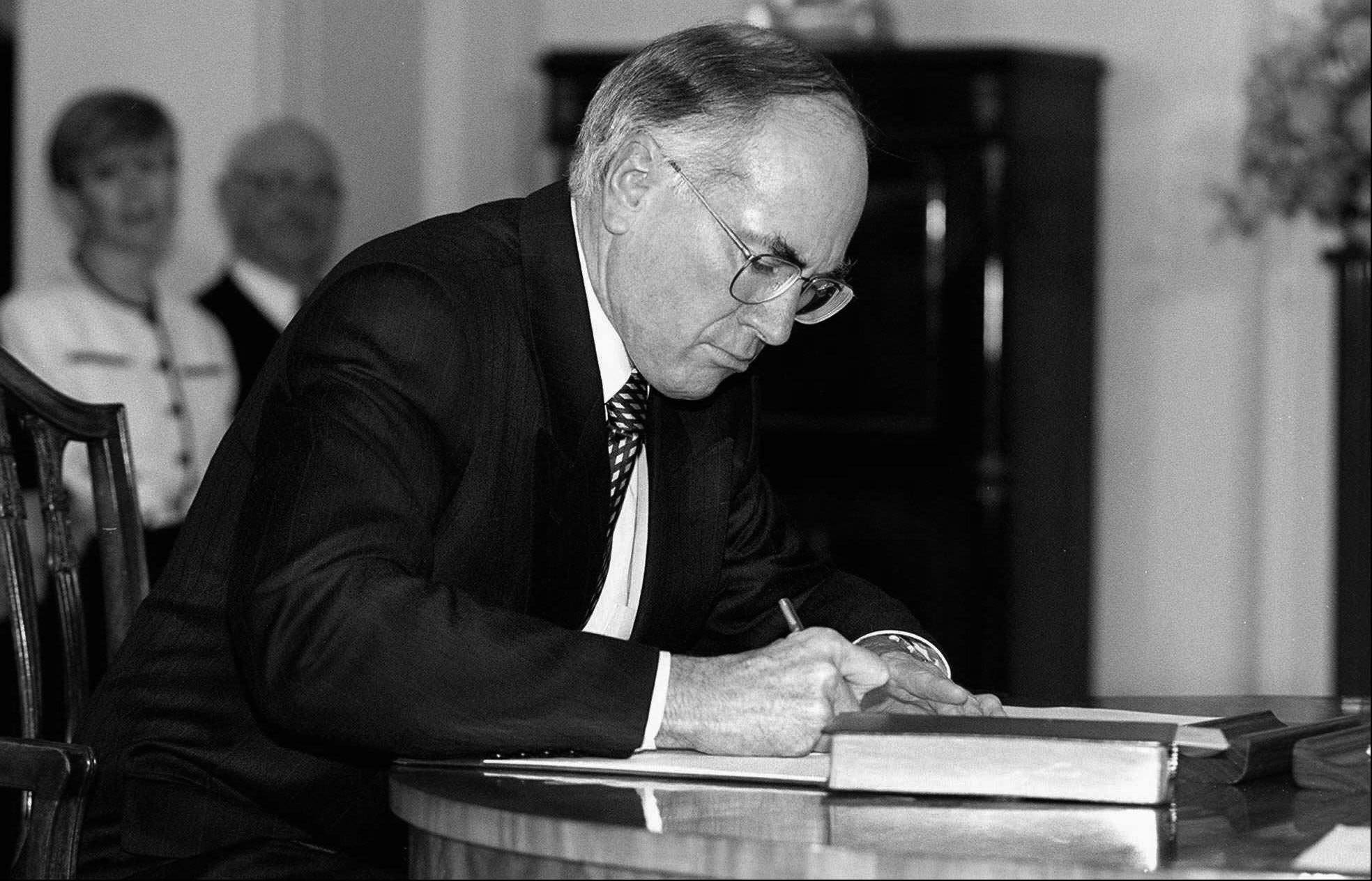
JOHN HOWARD SIGNS THE OATH OF OFFICE OF PRIME MINISTER, 1996. AP PHOTO/DEAN MCNICOLL-THE CANBERRA TIMES-POOL
“But what they actually did is ensure that the additional government funding they provided is not accompanied by any regulation. So, what we see is massive growth in fees during the first decades of the 21st century, which is in turn driving segregation.”
With Labor reclaiming power in 2007, it appeared there would be a re-evaluation of school funding.
In 2010, prime minister Kevin Rudd commissioned business leader David Gonski to lead a review into the inequities in Australia’s schooling system.
Gonski’s key recommendation was a new formula for calculating the dispersal of government funds – the Schooling Resource Standard (SRS).
It works like this: you start with a base amount of funding for every student. In 2024, that amount is $13,557 for primary students and $17,036 for secondary. Then, there are six categories which add additional loading, including students with disabilities, being Aboriginal and Torres Strait Islander, socio-educational disadvantage and low-English proficiency.
This calculation should then provide a dollar figure for how much total public funding is required.
But this system for funding has not become more equitable. A decade after the SRS model was passed into law, in the Education Act 2013, the number of disadvantaged and underfunded schools is heavily skewed towards the public sector.
Government funding continues to increase at double the rate for private schools than public. While 100 per cent of private schools receive government funding that meets the SRS, only 1.3 per cent of public schools do.

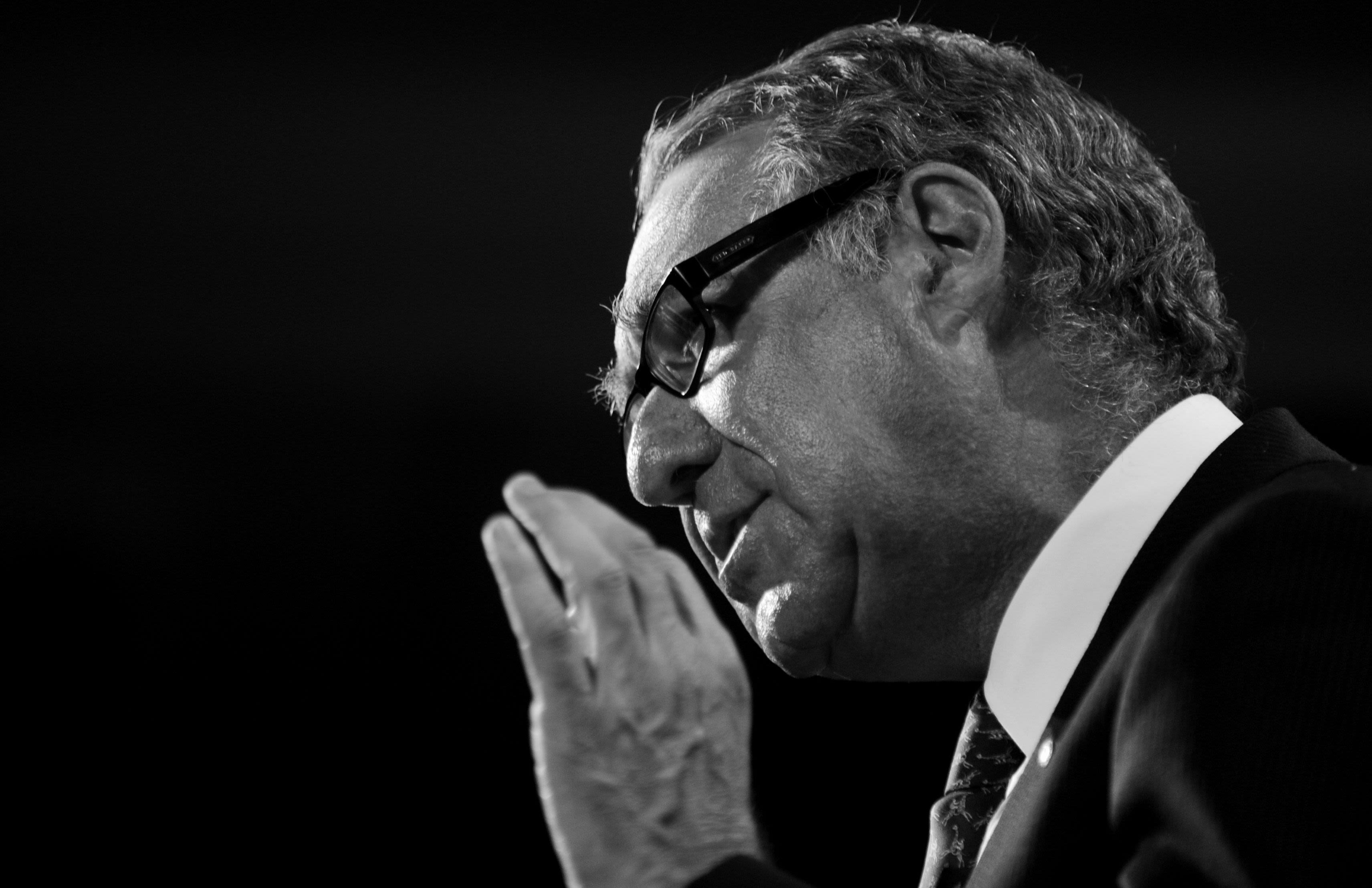
“We felt strongly and unanimously that a funding system must ensure that differences in educational outcomes are not the result of differences in wealth, income, power or possessions.”
– David Gonski
DAVID GONSKI IN 2013. AAP/TRACEY NEARMY
With Labor reclaiming power in 2007, it appeared there would be a re-evaluation of school funding.
In 2010, prime minister Kevin Rudd commissioned business leader David Gonski to lead a review into the inequities in Australia’s schooling system.
“We felt strongly and unanimously that a funding system must ensure that differences in educational outcomes are not the result of differences in wealth, income, power or possessions.”
– David Gonski
DAVID GONSKI IN 2013. AAP/TRACEY NEARMY
Gonski’s key recommendation was a new formula for calculating the dispersal of government funds – the Schooling Resource Standard (SRS).
It works like this: you start with a base amount of funding for every student. In 2024, that amount is $13,557 for primary students and $17,036 for secondary. Then, there are six categories which add additional loading, including students with disabilities, being Aboriginal and Torres Strait Islander, socio-educational disadvantage and low-English proficiency.
This calculation should then provide a dollar figure for how much total public funding is required.
But this system for funding has not become more equitable. A decade after the SRS model was passed into law, in the Education Act 2013, the number of disadvantaged and underfunded schools is heavily skewed towards the public sector.
Government funding continues to increase at double the rate for private schools than public. While 100% of private schools receive government funding that meets the SRS, only 1.3% of public schools do.
So, what went so wrong?
After billing herself as the “education prime minister”, Julia Gillard faced political pressure – particularly from the Catholic aligned factions within the Labor Party – to maintain funding for Catholic schools. The independent school sector followed with demands for the same commitments.
While Gonski provided a formula to assess the minimum funding requirement, it still needed to be decided who would pay for it.
Further reforms under the Turnbull government, colloquially known as Gonski 2.0, left Commonwealth funding for public schools capped at 20 per cent of the SRS, while setting an “aspirational target” of 75 per cent for states (totalling 95 per cent). An additional loophole allows states to claim 4 per cent from this target for depreciation. This allows states to write off things like the depreciating value of buildings, and non-school related spending, like travel for students. Meanwhile, the Commonwealth contributes 80 per cent for private schools, with states picking up the bill for the remaining 20 per cent.
The result is that public schools are being underfunded to the tune of $6 billion a year. Meanwhile, private schools are being overfunded by about $686 million in 2024.
The 5 per cent gap in public schools is the centre of current discussions for the National School Reform Agreement, expected to be announced later this year. Education Minister Jason Clare has promised to finally increase funding to 100 per cent of the SRS for all schools.
Sheree Vertigan, former executive director and national president of the Australian Secondary Principals’ Association, was involved in producing the Gonski review. She says an opportunity to restore some sense of parity in funding for public schools was missed.
“Gonski 1 was probably the thing that would have made the big difference, if it had been fully implemented,” Vertigan says.
“To be honest, working on Gonski nearly killed a number of us because the disappointment when it never actually went to full implementation was devastating.”
“We didn’t achieve what we set out to achieve – that’s the reality. Instead, it created a greater divide between those who have and those who have not.”

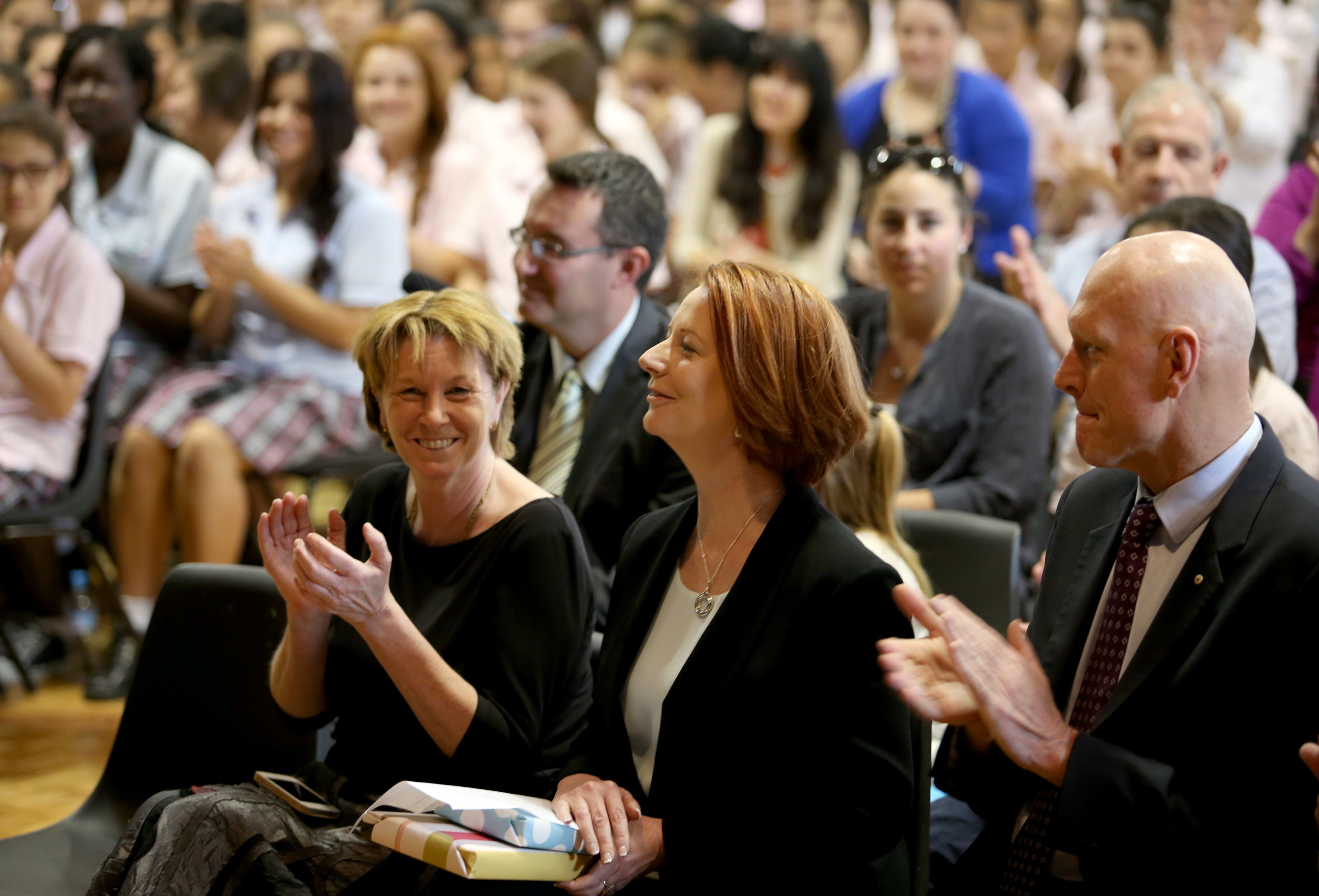
“While enrolments will always change and students will move in and out of schools, no school will lose a dollar of funding in the sense that their school budget per student will not reduce in dollar terms.”
– Julia Gillard
PRIME MINISTER JULIA GILLARD AND MINISTER FOR EDUCATION PETER GARRETT VISITING MARY MACKILLOP COLLEGE, 2012. AAP/DAMIAN SHAW
“While enrolments will always change and students will move in and out of schools, no school will lose a dollar of funding in the sense that their school budget per student will not reduce in dollar terms.”
– Julia Gillard
PRIME MINISTER JULIA GILARD AND FORMER MINISTER FOR EDUCATION PETER GARRETT VISITING MARY MACKILLOP COLLEGE, 2012. AAP/DAMIAN SHAW
After billing herself as the “education prime minister”, Julia Gillard faced political pressure – particularly from the Catholic aligned factions within the Labor Party – to maintain funding for Catholic schools. The independent school sector followed with demands for the same commitments.
While Gonski provided a formula to assess the minimum funding requirement, it still needed to be decided who would pay for it.
Further reforms under the Turnbull government, colloquially known as Gonski 2.0, left Commonwealth funding for public schools capped at 20 per cent of the SRS, while setting an “aspirational target” of 75 per cent for states (totalling 95 per cent). An additional loophole allows states to claim 4 per cent from this target for depreciation. This allows states to write off things like the depreciating value of buildings, and non-school related spending such as travel for students. Meanwhile, the Commonwealth contributes 80 per cent for private schools, with states picking up the bill for the remaining 20 per cent.
The result is that public schools are being underfunded to the tune of $6 billion a year. Meanwhile, private schools are being overfunded by about $686 million in 2024.
The 5 per cent gap in public schools is the centre of current discussions for the National School Reform Agreement, expected to be announced later this year. Education Minster Jason Clare has promised to finally increase funding to 100 per cent of the SRS for all schools.
Sheree Vertigan, former executive director and national president of the Australian Secondary Principals’ Association, was involved in producing the Gonski review. She says an opportunity to restore some sense of parity in funding for public schools was missed.
“Gonski 1 was probably the thing that would have made the big difference, if it had been fully implemented,” Vertigan says.
“To be honest, working on Gonski nearly killed a number of us because the disappointment when it never actually went to full implementation was devastating.”
“We didn’t achieve what we set out to achieve – that’s the reality. Instead, it created a greater divide between those who have and those who have-not.”

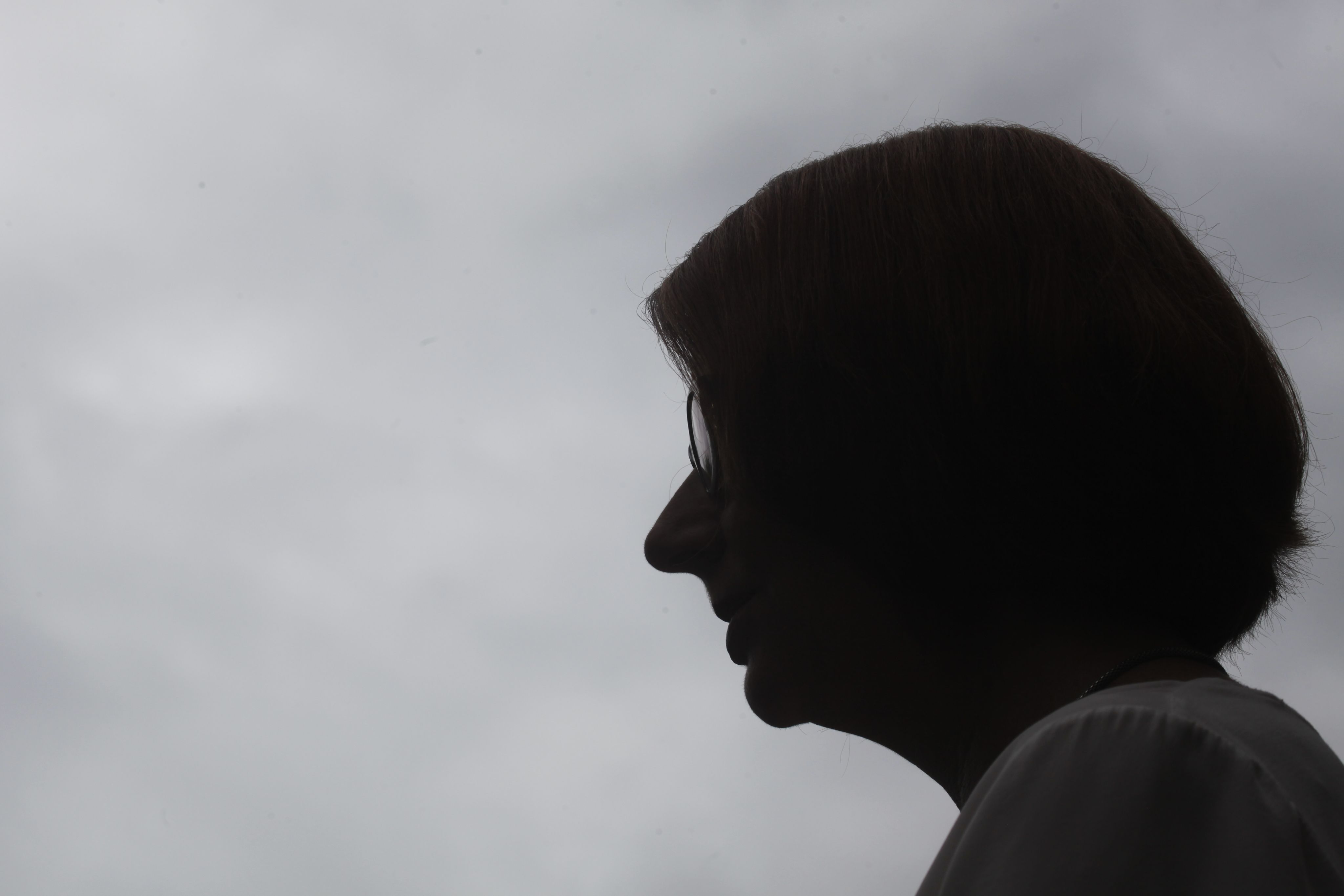
JULIA GILLARD IN 2013. AAP/LUKAS COCH
“Julia Gillard made the big pronouncement that our postcode or demography shouldn't be destiny at all. Well, in reality, in Australia it is.”
– Sheree Vertigan
Over two centuries in Australia this question about which school did you go to has morphed from being one of cultural identity to increasingly one of class.
Enrolments in private schools across Australia have grown by 35 per cent over the past decade, fuelled by a surge in student numbers in Islamic and Christian schools.
But while an increasing number of parents are choosing to send their kids to schools with religious affiliations, there is a corresponding decrease in the number of Australians who identify as being religious themselves.
Richard Denniss, executive director of The Australia Institute, says the current system is subsidising the creation of an education system that streams people and separates them rather than unites them.
“Increasingly, we have schools that are focused around particular religions or particular ethnicities,” Denniss says.
“I can see why parents might want to do that. But is that good for Australia, or is it a good way for us to have an understanding of different cultures and different religions and different world views, for us to mix with those world views?”
An increasing amount of public money to schools is going to subsidise groups that discriminate in ways that the general public – and often the parents at the schools themselves – disagree with.
“We’re giving money to schools that discriminate against gay kids and teachers, or unmarried couples living together,” Denniss says.

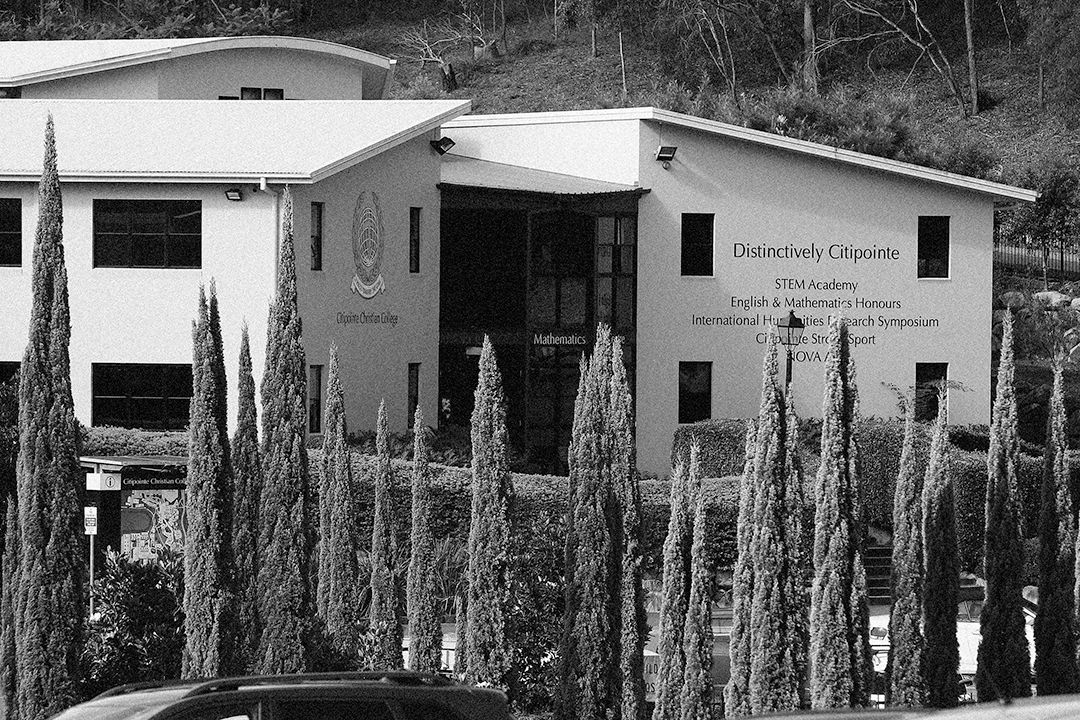
CITIPOINTE CHRISTIAN COLLEGE IN BRISBANE. JONO SEARLE/AAP
“We give millions of dollars to the richest schools in the country in the name of fairness.
And parents who choose to send their kids to private schools think they are somehow doing us a favour by taking pressure off the public school system.”
I started this by asking, “What school did you go to?”
I went to our local Catholic primary school, on the same street as the house I grew up in. It was no accident I ended up there: my mother was a teacher in the Catholic school system; my uncle, her brother, a long-term Catholic principal. When my elder sister enrolled, she was one of only four in the year level. Following John Howard’s reforms, the school flourished.
But I ended up getting a scholarship to the nearby grammar school. I recall crying when my parents wouldn’t let me go to the Catholic secondary school with my friends. I don’t recall ever feeling lucky or privileged. I don’t know how many kids really understand what that really means.
Advocates for private education say it’s a parent’s right to choose what’s best for their child’s education. But the systemic inequalities in our system are the product of a series of other choices.
At almost every step over two centuries, we have put in place the building blocks of division. We have built one of the world’s most socioeconomically segregated school systems because at every moment along this path we decided to do so.
While once that was more about identity, the choices we are making now – both personal and political – are becoming less and less about reinforcing cultural values and more about entrenching privilege.
Designers: Cameron Stevens, Lauren Stephens
Developer: Peter Desborough
Digital producers: Anna Stewart, Tom Glassey
Editors: Michael Williams, Michael Nolan, Patrick Witton, Bec Tolan
Production coordinator: Gabriella Hills
Writer: Jacob Robinson